

NEWS
- Home
- Yi Chun Green Technology has been granted a Medical Waste Reuse Permit by the Ministry of Health and Welfare
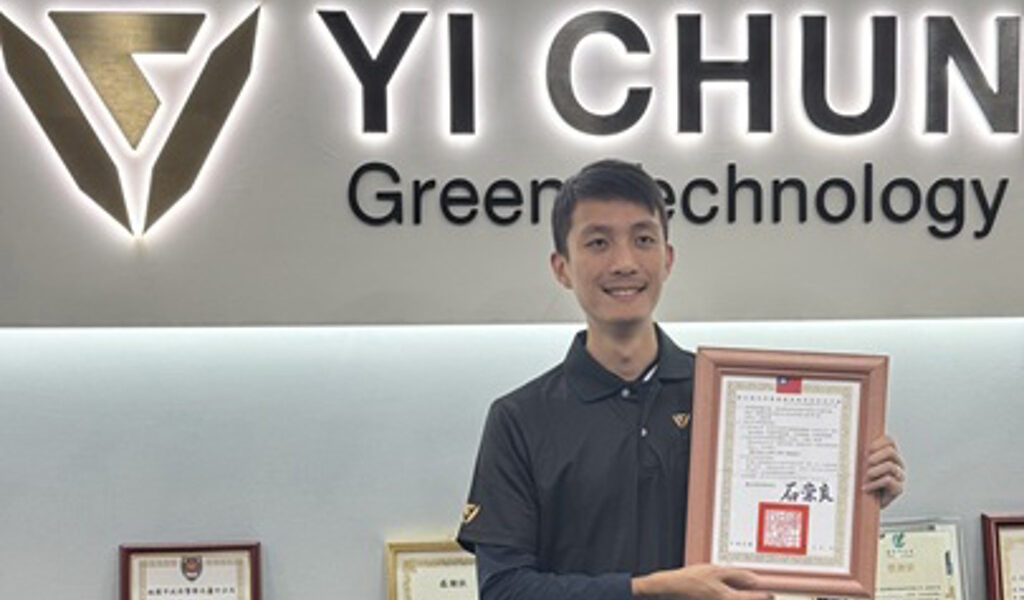
Yi Chun Green Technology has been granted a Medical Waste Reuse Permit by the Ministry of Health and Welfare
Yi Chun Green Technology (TWSE: 6912) Announces Approval of Medical Waste Reuse Permit
On March 3, Yi Chun Green Technology Co., Ltd. (6912) announced that its absorbent hygiene products processing line has obtained a Medical Waste Reuse Permit issued by the Ministry of Health and Welfare (Approval No. 1151660552).
The permit, officially granted on February 24, 2026, marks a critical milestone in regulatory compliance, sanitation control, and reuse management systems. Within the scope authorized by the competent authority, YI CHUN will promote the resource recovery of absorbent hygiene products (such as diapers) through proprietary separation technology and material recycling processes. The system enables the recovery of three primary recycled materials: plastics, paper fiber (pulp), and superabsorbent polymer (SAP), supporting the long-term care and healthcare sectors in reducing end-of-life waste burdens.
Regulatory Milestone and Technological Breakthrough
General Manager Qin Xijun stated that the challenges in processing absorbent hygiene products lie not only in the large volume generated but also in the complex composite structure, SAP separation difficulties, and stringent sanitation and pollution control requirements. By prioritizing compliance and systematic management, YI CHUN has gradually redirected materials that were traditionally destined for incineration back into resource circulation.
This permit represents a significant institutional and operational milestone. It also strengthens the company’s ability to collaborate with industry partners in advancing circular economy initiatives. Notably, this development represents a pioneering breakthrough in post-consumer diaper recycling globally, positioning YI CHUN for potential international market expansion beyond Taiwan.
Addressing a High-Barrier Waste Stream
Diaper waste is characterized by high moisture content, bulky volume, composite materials, and strict hygiene control requirements. Historically, incineration has been the primary disposal method. However, diapers contain non-degradable plastics and sodium polyacrylate (SAP), which may complicate furnace management and increase both treatment costs and environmental burdens.
Compared to conventional recyclables, diaper waste presents three primary challenges:
Composite material separation and purity control (plastic, pulp, SAP)
Simultaneous requirements for sterilization, deodorization, and pollution prevention
Long-term reliance on incineration, placing sustained pressure on end-of-life treatment systems
Absorbent hygiene products are widely used across home care, medical care, and long-term care institutions. It is estimated that annual diaper waste in Taiwan would stack up to the equivalent height of over 60,000 Taipei 101 towers, with approximately 30% originating from healthcare and long-term care facilities.
Proprietary Recycling Process
YI CHUN has developed a patented cleaning and decomposition process that enables the separation and recovery of plastics, paper fiber, and SAP from both used and unused diapers. Through material recovery, the post-processing output volume can be reduced to approximately one-tenth of the original waste volume, significantly improving logistics efficiency and downstream material integration.
The company’s current strategy focuses primarily on direct sales of recycled materials. Having accumulated long-term operational experience handling defective (NG) diapers, YI CHUN has established stable procurement partnerships.
The company has also obtained certification under the Global Recycled Standard (GRS), enhancing traceability and strengthening brand credibility in international markets.
Operational Rollout Plan
Due to the newly constructed equipment installation, initial operations will prioritize system testing and calibration. The company plans to begin with a conservative intake volume of approximately 80 tons per month, with a medium-term target of scaling capacity to approximately 1,000 tons per month, subject to permit conditions, operational adjustments, and feedstock supply coordination.
YI CHUN emphasized that the significance of the permit lies in establishing a compliant and trusted foundation, enabling the company to implement comprehensive waste collection, treatment, and reuse management within the authorized framework. This will facilitate collaboration across care institutions, waste transport systems, and downstream material partners, gradually forming a stable circular supply chain.